Fireside Season: Why Couples Should Choose a Rural Cottage Between November and March
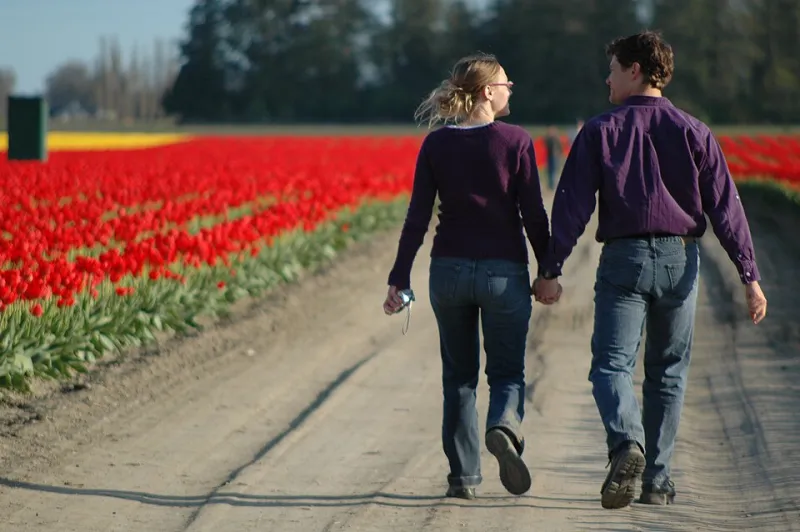
Photo: Evil Erin, CC BY 2.0, via Wikimedia Commons
There is a persistent idea that a rural cottage break is a summer thing. You picture long evenings, open windows, a picnic blanket in the boot. All lovely, of course. But for couples, the quieter months — roughly November through March — offer something the peak season cannot: space, stillness and the feeling that the countryside has been left on just for you.
This is not a contrarian argument for the sake of it. It is a practical one. A short break in the cold months can be cheaper, calmer and, if you plan it properly, far more romantic than a crowded week in July. At S Simpson Cottages, our quiet-season guests tend to arrive with a different sort of energy: fewer plans, more wine, a determination to actually finish a book.
The lane belongs to you
Walk the same footpath in August and you will meet dog walkers, families, ramblers and at least one person consulting a phone map the wrong way round. Walk it in late November and you might see nobody at all. The hedges are bare, the views open up, and the silence is not awkward — it is the point.
That emptiness changes the way a break feels. You can stop in the middle of a lane to look at a fox without causing a traffic jam. You can get the best table by the fire in a village pub because there are only three other people in the bar. You can hear the river from the bedroom window. For couples who spend most of the year negotiating crowded trains and shared calendars, that lack of competition is a genuine luxury.
Cheaper rates, better choices
Off-season pricing is the obvious advantage, but it is not just about saving money. Lower rates often mean you can afford a better cottage than you would in peak season: the one with the roll-top bath, the proper wood-burner, the view across the valley. It also makes a spontaneous two-night break feel less indulgent and more sensible.
There is a practical booking note here. For the 2026–27 quiet season, look at short-break pricing rather than assuming a full week is the only option. Many rural cottages have more flexibility outside school holidays, and a Friday-to-Monday stay can be surprisingly reasonable. If you are tied to annual leave, book early for the weeks around Valentine's Day and the February half-term, which still fill faster than the rest of the season.
Daylight is short — use it deliberately
This is the thing that puts some couples off: the days are short. In December, sunset in much of the UK can arrive before 4pm. That is not a problem if you plan for it, but it is miserable if you fight it.
Build your day around the light. Go for your main walk in the morning, have a long lunch, and save the afternoon for the cottage, the fire and a nap. Save the pub for early evening, when the windows are steamy and the lamps are on. If you want to see a specific view or visit a garden, check opening hours before you go; many rural attractions run reduced winter hours, and some close entirely in January.
A good torch is not overpacking. A headtorch is even better if you plan to walk back from the pub in the dark. And a small flask of something warm in the car turns a wrong turn into a minor adventure rather than a marital incident.
Pack for cold, wet and warm
Off-season packing is not complicated, but it is different. Think layers rather than bulk: thermal base layers, a warm mid-layer, a waterproof shell, thick socks and boots with actual grip. Add a hat and gloves even if the forecast looks mild; exposed country lanes are colder than city streets.
For the cottage itself, pack indoor comfort: slippers, a favourite blanket if you are fussy, and a hot-water bottle if the cottage does not provide one. A small selection of tea, coffee and biscuits saves a dash to the shops on the first night. If you are planning a fireside evening, check whether logs are included or available locally; many cottages supply a starter pack, but not an endless basket.
Booking flexibility matters more than a bargain
Winter weather can be unpredictable. A bargain that locks you into a rigid cancellation policy is not a bargain if a named storm closes the road. When booking for 2026–27, read the cancellation terms properly and consider travel insurance that covers UK breaks. Ask the owner or agency about access roads, flooding risk and whether the cottage is on a exposed hill or in a sheltered valley.
Flexibility also applies to your itinerary. Do not book a non-refundable restaurant, a timed garden entry and a distillery tour on the same day. Leave gaps. The best quiet-season breaks tend to have one anchor per day and a lot of room around it.
Stars, wildlife and the pleasure of a short day
One of the unexpected gifts of a winter cottage break is the night sky. With fewer leaves on the trees and less light pollution in rural areas, clear nights can be genuinely spectacular. You do not need a telescope. A pair of binoculars, a star app and a warm coat will do. Standing in a dark garden with a flask of tea, listening to an owl, is the sort of thing you remember longer than any summer beach day.
Wildlife watching is different too. Bare hedgerows make birds easier to spot. Deer are more visible against frost. You might see hares boxing in early spring or hear the first great spotted woodpecker drumming in February. It is not the lush, busy countryside of summer; it is quieter, more secretive and, for many couples, more rewarding.
Don't fall into the peak-season-only trap
There is a reason summer is popular. It is reliable, the days are long, and you can leave the thermals at home. But reliability is not the same as atmosphere. A rural cottage in November, with the fire lit and the rain on the roof, can feel more like a proper escape than a week in August spent queueing for a car park.
So if you have been saving your cottage break for the perfect weather, consider booking outside it instead. Take the short days as permission to slow down. Take the lower rates as permission to stay an extra night. Take the empty footpaths as permission to talk to each other without a podcast in the background.
The quiet season is not a compromise. For couples, it might be the best version of a rural cottage break there is.