Train, Taxi, Tea: The No-Car Route to a Proper Rural Cottage Week
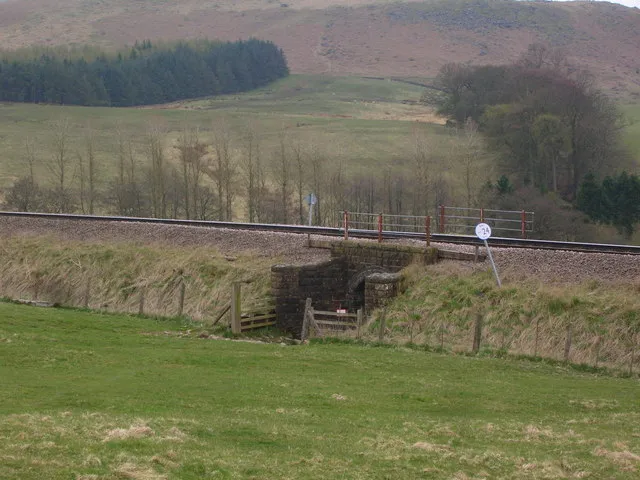
Photo: John H Darch , CC BY-SA 2.0, via Wikimedia Commons
There is a particular sort of quiet that arrives when you step off a train at a small station and realise nobody has to find the car park, negotiate a lane or argue about the satnav. For a family cottage week, that quiet is worth planning for. Going car-free is not about being virtuous. It is about swapping a boot full of clutter for a slower arrival, and letting the rural bit start sooner.
Begin with the station, not the postcode
Rural is not a synonym for remote, but some cottages are much easier without a car than others. Before you fall for a pretty listing, find the nearest station on a map and check the real distance. A mile along a footpath is different from a mile along a fast lane with no verge, especially with children or a wheelie bag.
Look for lines with direct services from your part of the UK, or at least one change rather than three. A station with a sheltered waiting area, a pub nearby or a taxi rank is a bonus. If the cottage owner mentions a station pickup in the access notes, take that seriously. It usually means they have done the journey themselves and know which end of the lane to aim for.
Solve the last few miles before you book
The last few miles are where car-free plans either settle down or fall apart. Sort them early. Ring a local taxi firm rather than relying on an app that may have no drivers in the area. Give them your train time, your destination and a mobile number. Ask whether they take dogs, child seats or a week's worth of luggage. If the answer is vague, try another firm.
Village bus services can be brilliant and deeply infrequent, often in the same sentence. Check timetables for the day you arrive, not just the day you searched. Sunday can be a different world. Some rural areas have community car schemes or volunteer drivers, but they usually need notice. If you are arriving after dark, pack a torch and ask the owner which gate to use. A five-minute walk feels very different when you know where you are going.
Let the village shop carry the heavy stuff
One of the quiet joys of a self-catering break is not hauling a fortnight's groceries across three counties. Book a supermarket delivery for arrival day if the cottage has a reliable address and the owner is happy with it. Ask where the driver will leave crates if you are not there yet. A local veg box, milk round or farm shop order can fill the gaps and put something local on the table without a detour.
Then use the village shop for what it is good at: bread, bacon, a forgotten tin of tomatoes, the sort of biscuit you only buy on holiday. Check opening hours before you bank on it for dinner. A foldable tote in your bag is more useful than it sounds. So is a short list, because a tiny shop can be charming and overwhelming in equal measure.
Pack for the platform as well as the path
Train-friendly packing starts with the bag, not the wardrobe. Soft bags squeeze into racks and footwells better than hard cases. Aim for one bag each plus one shared bag for a family, or a small case each for a couple. Wear the bulkiest shoes and waterproof on travel day. Check what the cottage already provides before you pack the hairdryer, the cafetiere or the fourth jumper.
Children can carry their own small backpack with snacks, a water bottle, cards and a paperback. Adults can carry the tickets, the taxi number and a torch. Bring layers rather than outfits, and remember that rural evenings cool down even in summer. A reusable coffee cup and a flask are small luxuries on a chilly platform. Leave the pantry at home. There is a shop, a delivery slot and probably a cupboard full of mismatched mugs waiting for you.
Treat the journey as part of the break
A train journey with nowhere else to be is a rare thing. Buy a picnic before you board, or pack one that will survive the trip. Claim a table seat if you can. Let the children stare out of the window at fields and sidings. Let the adults read a chapter without feeling guilty. If you have a change to make, check the platform rather than trusting muscle memory.
When you arrive, do not rush the last bit. If the taxi is not due for twenty minutes, find the station cafe or sit on the bench. The cottage will still be there. The kettle will still boil. The point of a no-car break is not to prove you can manage without one. It is to notice how much room it leaves for the things you came for: long walks, slow breakfasts, a pint in the village and a view that does not need a parking space.
A quieter kind of freedom
Without a car, you will probably walk more and plan less. You might discover that the nearest footpath is the best part of the week. You might book one taxi for a day out and enjoy not being the designated driver. You might find that the village shop becomes a daily ritual rather than a pit stop. That is not being trapped. It is being precisely where you meant to be.