Roast, Ramble, Repeat: Building a Cottage Weekend Around a Village Pub Lunch
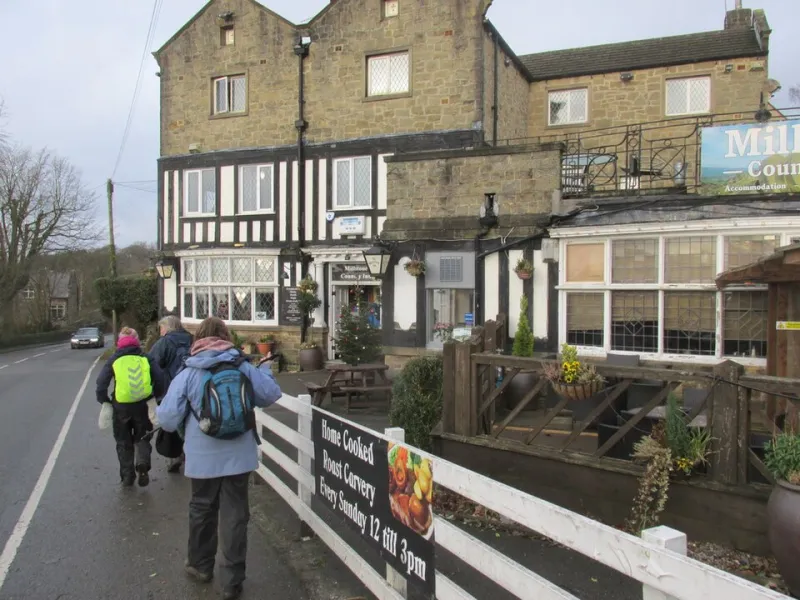
Photo: steven ruffles , CC BY-SA 2.0, via Wikimedia Commons
Book the lunch first, then the cottage
Most cottage weekends get planned the same way round: find a lovely bolthole, book it, then start hunting for somewhere decent to eat on the Sunday. That works — just about. Flip the order and everything else tends to fall into place.
Start with the pub. Not the closest one to the cottage you've already fallen for, but the one genuinely worth walking to. That means checking a handful of things before you commit: is it open on Sundays all year (plenty of rural pubs shut up shop in January), does it serve food past two o'clock, does it take bookings, and will it tolerate a wet dog under the table? Country pubs differ wildly on all four points.
The pub's own website, a county CAMRA branch listing or a well-thumbed Good Pub Guide will tell you far more than a booking aggregator. A pub that bothers to update its own site with the week's menu is usually a pub that cares about the food.
Finding a route that doesn't become a forced march
Once you have the pub, draw a circle around it. Three to five miles is the sweet spot for families with primary-school children; five to seven suits couples and confident dog owners. Anything longer and the roast becomes a reward for a route march rather than the centrepiece.
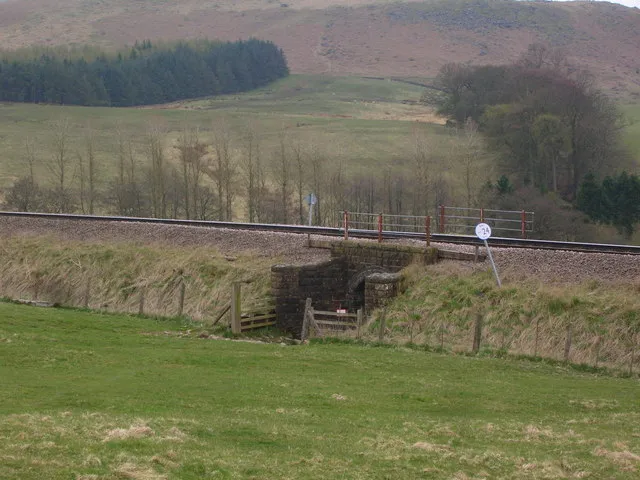
Look for a proper circle rather than an out-and-back. The best loops have a short version you can bail out to if the weather turns or someone's boots start rubbing. Ordnance Survey maps, the OS app or a local walking website will show you stiles, livestock fields and the all-important question of whether the path crosses a bull's field in season.
Time it so you arrive at the door between half twelve and one. That's early enough to have walked properly and late enough that you're genuinely hungry — and, crucially, early enough that you're not competing with the second sitting for the last Yorkshire pudding.
The booking conversation worth having
Ring the pub rather than booking online. Two minutes on the phone gets you answers a form never will. Are you walking in, or driving? Do you have a dog and a pushchair and a child who will only eat plain roast chicken? Is there a bar area where muddy boots are less of an imposition than in the dining room?
Don't be shy about mentioning the walk. Landlords in walking country are used to it, and quite a few will happily let you leave a car in the far corner of the car park while you tramp across three fields and back. Ask about a table near the fire in winter and one in the garden in summer. In November, the fire question is not a small one.
Pacing the rest of the weekend
The mistake people make is treating Sunday like a day trip and then cramming Saturday and Monday full as well. Three days of scheduled activity is how you come home more tired than you left.
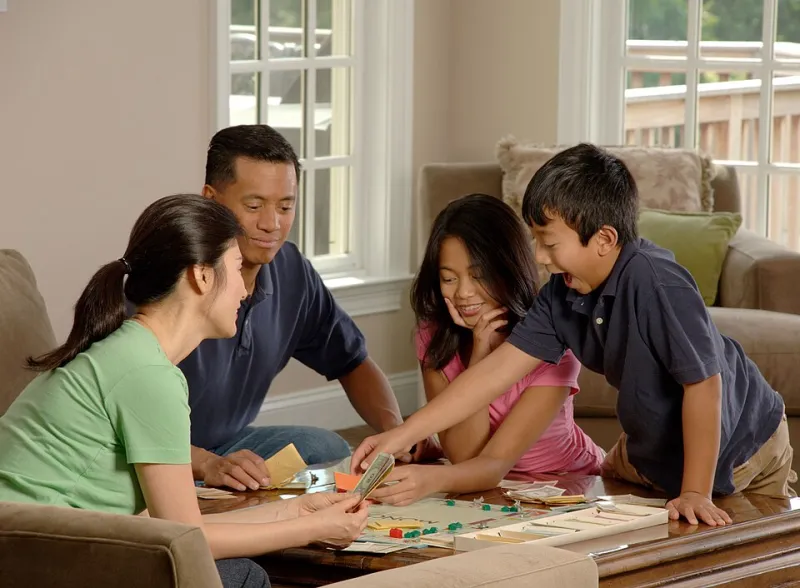
Give Saturday a loose shape: a market town potter, a farm shop, a look at the village church. Nothing booked, nothing timed. Buy more bread and cheese than you need. Let the first evening be a slow one — a takeaway curry or a pan of something on the hob, a board game, an early night.
On Sunday, eat breakfast early but lightly. Coffee at the cottage, nobody rushing. Leave by half ten, walk the first half of the loop, eat, then take the return leg slowly. In winter the light goes by half four, so plan to be back with the kettle on and a fire laid before the afternoon gives out.
Keep Monday almost empty. Pack unhurried, buy a paper, drink the last of the milk. If there's an hour spare, spend it on a footpath you've already walked rather than a garden you have to pay to get into.
Couples, families and dogs
For couples, the appeal is simple: a longer loop, a later sitting, a flask in a rucksack and a pub that does a decent pint of something local. Book a table for two near the fire and walk home under a torch.
For families, prioritise a pub with a garden, a loo that's easy to reach from the dining room and a children's portion that isn't an insult. Ask whether the route has gates rather than stiles — if you're carrying a toddler and pushing a buggy, this stops being a detail and becomes the whole plan.
Dog owners should look for a route with water within the first mile and a pub with a hard floor. Take a towel. Take two towels.
The things people forget until it's too late
Torches, spare socks, and a change of footwear left in the car boot. A tenner in cash for the honesty box at the end of a farm track. Bags for the dog. A small rucksack rather than a handbag. And a nagging sense of how much longer it will take to walk back after a roast than it did to walk there.
The roast is the point of the day. Everything else — the route, the timing, the booking — is quietly in service of arriving at a pub door hungry, muddy and pleased with yourself, with nothing left to do but sit down.