Shop the Village, Skip the Aisle: A Self-Catering Pantry Week That Actually Works
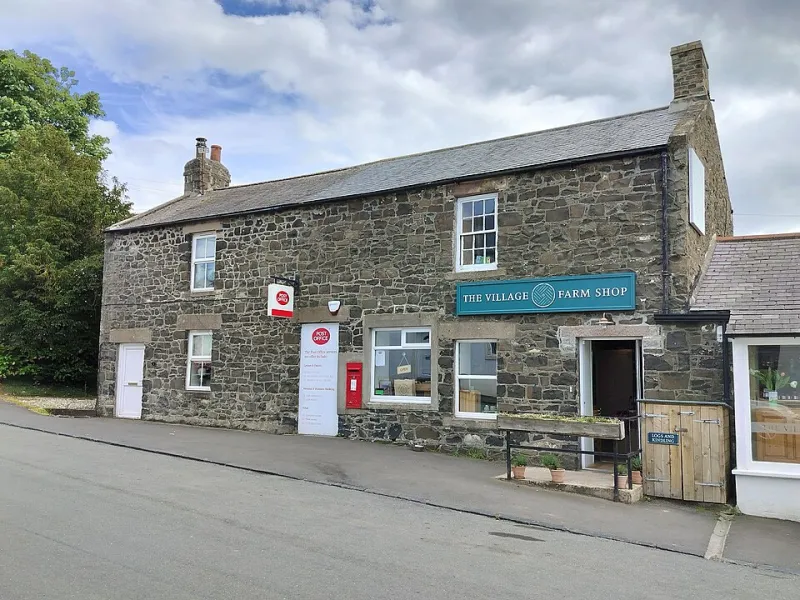
Photo: Geoff Holland , CC BY-SA 2.0, via Wikimedia Commons
There is a particular kind of holiday tiredness that comes from doing a big supermarket shop at nine at night, then realising you have bought enough food for a fortnight and forgotten the oil. It is not restful. It is not romantic. And it is entirely avoidable.
The alternative is what we have come to think of as the cottage pantry approach: bring a small, boring box of essentials from home, spend your money in the village instead of the retail park, and let the week's menu bend around whatever the local butcher, bakery and farm stand happen to have. It takes about twenty minutes of thinking before you leave. In return you get better food, fewer miles and a genuine excuse to talk to people who live where you are staying.
The Idea: Shop Small, Plan Loose
The mistake most people make is over-planning. A rigid seven-day menu, shopped in one go, assumes you will want exactly the same thing on Thursday as you fancied on Monday — and it assumes the village shop will stock it.
Plan instead for five dinners with a bit of slack. Know roughly what you are cooking, but shop twice: a proper run on arrival day for the first three nights, and a second wander midweek. Village shops are small and their stock changes; that is the charm, not the flaw. A tray of local sausages, a punnet of whatever is in season, a loaf still warm — that is dinner, and it is better than anything you would have planned in a spreadsheet.
Pack the Boring Bits From Home
Cottage kitchens are generously equipped in the matter of pans and mean in the matter of condiments. You will find salt, probably pepper, and a sad jar of something previous guests left behind.
A small box in the boot solves this. Oil, a stock cube or two, a decent pepper grinder, dried herbs, a chilli or some chilli flakes, mustard, coffee, tea bags, a bag of porridge oats, a few cloves of garlic and a lemon. Nothing heavy, nothing chilled, nothing that will spoil. Add a couple of tea towels, a sponge, washing-up liquid and a roll of kitchen paper if you want to avoid an immediate trip out.
This box is not cheating on the local economy. It is what stops you having to buy a whole jar of cumin you will use one teaspoon of.
The Cool Bag That Earns Its Keep
For a couple, a decent lidded cool bag is plenty; for a family, a hard-sided box. Load it at home with your chilled items and, crucially, with things that double as ice blocks: a couple of bottles of milk, a bag of frozen peas, or a 2-litre bottle filled with water and frozen solid. Filled from frozen, they will hold a cool bag for most of a drive down to the West Country and still be useful for the first two days.
Do not over-cater for the freezer. Cottage ice boxes are small and often already full of ice, or mysterious, or both. Buy fresh, buy in quantities you will actually use, and lean on shelf-stable backups — pasta, rice, tinned tomatoes, a jar of lentils — for the night everything is shut.
Reading the Village
Before you arrive, look up what exists within a short drive. A surprising number of villages now have a community shop run by volunteers, often with better local produce than a supermarket aisle and a noticeboard telling you who sells eggs from the gate. Farm shops range from a chiller cabinet by the door with an honesty tin to a full-blown food hall. Milk vending machines have quietly spread across the dairy counties, usually with a glass bottle deposit scheme and a queue of people in wellies.
Then there is the proper stuff. A butcher who will tell you which cut is best for a slow cook. A bakery that sells out by eleven and opens Wednesday to Saturday only. A greengrocer with muddy leeks in a crate. A deli with three local cheeses and a chutney made two miles away. A fish van that visits on Thursdays. Half of these things will not appear online, which is why the welcome folder in the cottage, or a two-minute conversation with the owner, is worth more than any app.
A word of warning on timings: rural shops close early, often take a half day midweek, and Sunday hours can be eccentric. Do your arrival-day shop before four in the afternoon, or bring supper with you.
A Sample Seven Days
This is a loose framework for two people, easily scaled for a family. Swap freely depending on what turns up.
Day one — arrive and don't cook properly. Bring supper from home: a flask of soup, a loaf, some cheese. Or order a local welcome hamper in advance if the cottage offers one. Unpack, eat, walk to the end of the lane.
Day two — butcher night. Sausages from the village butcher, mashed potato, and whatever greens the shop had. A crumble if there were apples.
Day three — one-pot chicken. A whole chicken, a bag of root vegetables, a stock cube and a slow oven. Leftover meat becomes sandwiches and, on day four, a risotto or a soup with the carcass simmered overnight.
Day four — bakery and deli night. Whatever bread is best that morning, local cheese, cured meat, chutney, tomatoes, a bag of leaves. Ten minutes of assembling, which is exactly what you want after a long walk.
Day five — fish, if you are near a coast. Otherwise something from the shop's chiller, baked with lemon and herbs and new potatoes. If you have leftover mash from day two, it is a fish pie.
Day six — vegetable curry or a big traybake. This is the fridge-clearing dinner. Whatever is left of the veg, a tin of tomatoes, a spoon of curry powder from your box, rice.
Day seven — raid the fridge. A frittata, a soup, cheese on toast, or a picnic lunch assembled from odds and ends before the drive home.
Breakfasts stay simple: porridge, eggs on toast, local yogurt, bakery bread. Lunches are picnic-shaped — bread, cheese, fruit, a flask — because you will almost certainly be out.
Cottage Kitchens Are Not Your Kitchen
You will be cooking on an induction hob that heats faster than yours, or an oil-fired range that does the opposite, with three knives and one small baking tray. Before you shop, take five minutes to look at what is actually there. If there is no roasting tin, plan braises. If there is a slow cooker, use it. If the oven runs hot, buy a cheap thermometer or trust your nose.
One pot, one tray and one pan is the realistic limit for a relaxed evening. Keep it in mind while you are standing in the butcher's.
Scaling Up, Scaling Down
For a couple, the whole week can be built around a single chicken, a bag of potatoes and two visits to the village. For a family, add a pasta night, buy a bigger joint and accept that someone will want a snack at four o'clock. A bag of apples, a tin of biscuits and a block of cheese covers most emergencies.
And leave the leftovers behind if you cannot use them. The next guests will not thank you for half a cabbage, but the owner probably knows someone with chickens.