Arrive Softly: Why the Final Ten Minutes of a Cottage Break Deserve Proper Planning
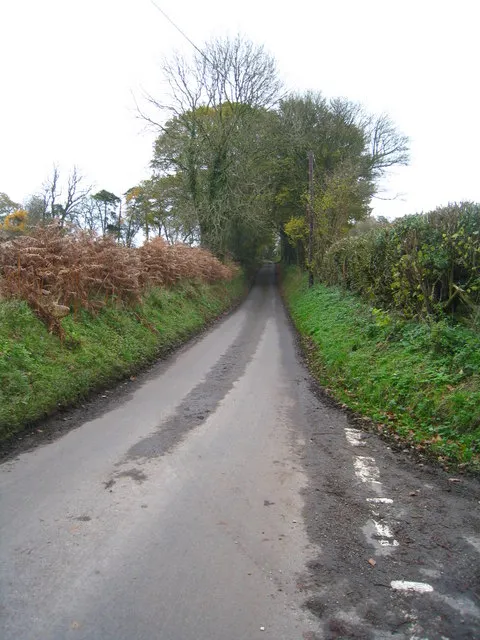
Photo: Sandy B , CC BY-SA 2.0, via Wikimedia Commons
Most cottage holidays begin when the key turns. We would argue they begin a little earlier: at the point where the sat-nav stops being quite so confident, the lane narrows, and someone in the back seat asks whether this is definitely the right way. The final ten minutes are not admin before the holiday. They are the first proper holiday decision — and they set the tone for everything that follows.
At S Simpson Cottages we have seen enough arrivals to know that the last mile can make or break the first night. Get it right and you are sipping tea by the window before the car has stopped ticking. Get it wrong and you are reversing up a single-track lane in the dark while a child announces they need the loo. Neither is a disaster, but one is considerably nicer than the other.
Daylight is part of the packing list
Before you lock in a departure time, check when the sun sets on the day you travel. In November that might be before five o'clock; in midsummer you have far more slack. Aiming to arrive in daylight is not fussy — it is practical. You can see the gate, the parking spot, the path to the door and the correct house name without prodding at a phone torch.
If work, school runs or Friday traffic mean you will arrive after dark, plan for that instead of hoping for the best. Pack a torch where you can reach it without unpacking the boot, and keep the owner's directions somewhere offline. Rural signal is a fair-weather friend. A screenshot of the gate code and the final instructions is worth more than a full battery and a hopeful attitude.
The lane has its own etiquette
Single-track roads are not difficult, but they reward a certain calm. Use passing places rather than reversing long distances later. Do not tailgate the car in front simply because you are both going the same way; give yourself room to stop if a tractor, a dog walker or a sheep appears. If you are the slower vehicle and someone is clearly local and patient behind you, pull into a passing place and let them go. It costs you seconds and saves everyone a low-level grumble.
Sat-navs are useful right up until they are not. Postcodes in the countryside can cover a cluster of cottages, a farm and a field gate. Read the owner's directions properly — the bit about turning left after the red barn is not decorative. If the lane starts to feel wrong, stop somewhere safe and check rather than pressing on. Rural lanes have a way of becoming farm tracks with remarkable speed.
Gate codes, farmyards and the last hundred yards
Keep the gate code handy. Not buried in an email three screens down, not in the message thread you cannot load without signal. Somewhere obvious: notes app, screenshot, back of the hand if necessary. Gates can be heavy, they can swing, and they usually need closing behind you. If there is livestock in the field, close every gate you open and keep children close rather than letting them run ahead to the cottage door.
The final hundred yards are often the least glamorous and most important part of the journey. A farmyard, a gravel drive, a narrow bridge or a shared path may all sit between the road and your parking space. Take it slowly. There is no prize for arriving at the door thirty seconds earlier, and there is a definite penalty for clipping a gatepost in the half-light.
Where you park matters more than you think
Park where the owner has asked you to park, not where the car first fits. Leave turning space for other vehicles. Do not block field access, a neighbour's gate or the route a feed delivery might need in the morning. If you are unpacking with children, it is tempting to stop right outside the door, but check first whether that is actually the driveway or just a patch of grass that looks firm until it is not.
A small amount of thought here makes the rest of the break easier. You will be coming and going for walks, pub lunches and village shop runs. A sensible parking spot saves you a daily shuffle and keeps the neighbours onside, which matters more in a hamlet of twelve houses than it does in a city centre car park.
The first-night food box
Do not plan a big supermarket shop for the moment you arrive. You will be tired, the shop may be smaller than expected, and closing time in a village can be startlingly early. Instead, pack a small first-night box: tea, coffee, milk, bread, butter, something easy for supper, and perhaps a biscuit or two. It does not need to be elaborate. It just needs to mean nobody has to get back in the car before they have properly arrived.
For couples, this might be a bottle of something cold and a bag of pasta. For families, it is whatever prevents a hunger-fuelled meltdown while you work out which cupboard holds the mugs. If you are arriving late, check whether the nearest shop will still be open on your route. A little forward planning here is the difference between a gentle first evening and a service-station sandwich eaten standing up.
Arriving in the dark is fine if you plan for it
Dark arrivals are not a failure. They simply need a different plan. Keep essentials in one bag rather than unpacking the whole car: pyjamas, toothbrushes, phone chargers, the food box, a torch. Put the children in charge of finding the light switches while you bring in the bags. If the cottage has a porch light, turn it on before you start ferrying things from the boot.
A quick walk around the inside of the cottage helps everyone settle. Find the kettle, the bathroom, the spare blankets and the thermostat. Open a window for a minute if the house has been closed up. Then stop. The unpacking can wait until morning. The holiday has already started.
A small arrival ritual
We like the idea of a deliberate pause before the holiday takes over. Make a cup of tea. Stand at the window and look at whatever is outside — a field, a lane, a hedge, a hill. If you are a couple, open the door and listen for a moment. If you have children, give everyone a small job: shoes by the door, bags in the right room, torches on the table. It gives the arrival a shape and stops it feeling like a pit stop.
Then let the first night be small. Do not try to see the whole area before bedtime. Do not worry that you have not yet found the perfect walk. The final ten minutes have done their job: you are here, the car is parked sensibly, the gate is closed and the kettle is on. Everything else can wait until tomorrow, which is rather the point of a quiet rural break.