The Multi-Generational Cottage Week: A Practical Checklist for Toddlers, Parents and Grandparents
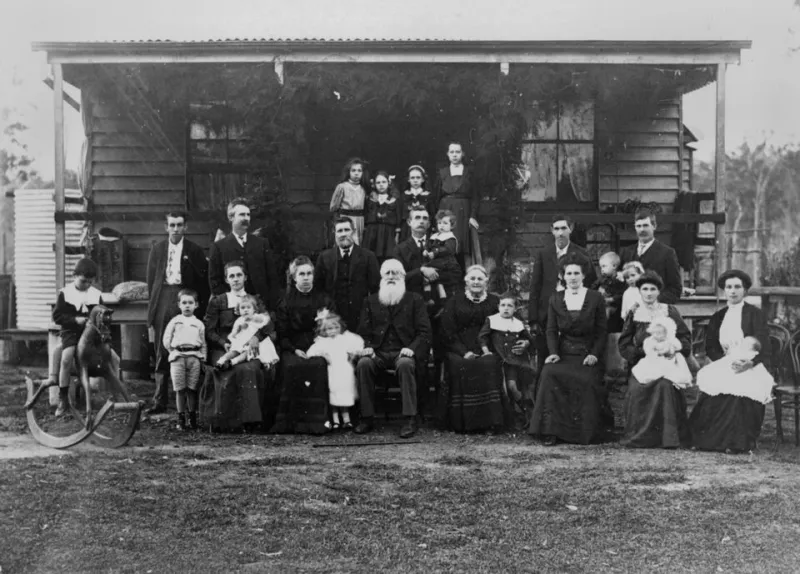
Photo: Unknown, Public domain, via Wikimedia Commons
A multi-generational cottage week is not a niche holiday. It is a small logistical operation with a fireplace. Done well, it gives grandparents unhurried time with grandchildren, gives parents a break from the usual relay race, and gives everyone a shared table at the end of the day. Done badly, it becomes a week of nap schedules, stair gates that do not fit and someone driving to a shop for Calpol at 9pm.
The difference is rarely the cottage with the most bedrooms or the biggest garden. It is whether the place suits all three generations at once — and whether you have asked enough questions before you pay the deposit.
Start with the bedroom map, not the photographs
Pretty pictures tell you about cushions. They do not tell you whether the grandparents will have to climb a narrow staircase to reach the only bathroom, or whether the travel cot will fit anywhere other than the middle of the kitchen.
Look for a ground-floor bedroom and a ground-floor bathroom if older knees or hips are part of the party. Then check the detail: is the shower a walk-in cubicle or a bath with a screen? Is there a handrail on both sides of the stairs? Are there internal steps between the sitting room and the kitchen? Is the path from the car gravel, tarmac or a muddy slope?
For the toddler, ask about blackout blinds, floor space for a travel cot, and whether the cot can go in a room with a door that shuts properly. A landing cupboard is not a bedroom, however creative the floor plan looks online.
The questions to ask before you book
A good owner will not mind a short, specific email. Copy this list and adapt it:
- How many steps are there from the parking area to the front door? Is the path level?
- Are there any internal steps or narrow doorways between the main rooms?
- Can we fit a stair gate at the top and bottom of the stairs? What width are the openings?
- Is the bathroom a bath, a walk-in shower or both? Is there a grab rail?
- Do you provide a cot and highchair? What sort of mattress does the cot have?
- Is the garden fully enclosed? How high is the gate latch? Is there a pond, stream or steep drop?
- Is the pub within walking distance on a pavement or a verge? Are there stiles on the footpaths nearby?
- Where is the nearest shop, pharmacy and minor injuries unit?
- Is there parking for two cars, and is it off-road?
- How does the heating and hot water work? Is there a fireguard for the wood burner?
- Is there mobile signal and Wi-Fi strong enough for a map, even if we are not planning to work?
That last one matters more than it used to. You may want to be offline, but you still need to find the nearest pharmacy when the toddler puts a handful of blackberries somewhere unfortunate.
One afternoon, two speeds
The test of a good multi-generational cottage is whether a four-year-old and a seventy-year-old can enjoy the same outing without one of them being miserable for an hour. The answer is usually a short, well-chosen loop with a bench and a cafe at the end.
Think walled gardens, National Trust properties with a brief accessible trail, canal towpaths, disused railway lines, country parks with hard surfaces and a play area, or a farm shop with a picnic bench and a few animals. Check the surface after rain. A pushchair-friendly path in July can be a mud bath in November.
Plan one anchor activity and one bail-out. The toddler may need to run; the grandparent may need to sit. Bring a flask, a picnic blanket and a folding stool if boot space allows. Use OS Maps or What3Words for the meeting point, and do not describe a five-mile walk as 'a gentle stroll' unless you have personally measured it.
Pub garden logistics
A village pub lunch is one of the great British holiday pleasures, but it needs a small amount of forethought. Book for noon rather than one o'clock if the toddler still naps. Ask for a garden table near the exit, in shade, with a clear view of the gate. Check whether the garden is enclosed and whether there are steps between the seating area and the toilets.
Ask about the children's menu, portion sizes and whether the kitchen can do a plain pasta or a small roast. If the pub has a carvery, ask how the queue works. If it has a quiz night, decide whether that is a treat or a bedtime disaster. And if the pub is closed on Mondays, as many rural pubs are, find that out before you promise anyone a pub tea.
The cooking rota that prevents mutiny
Self-catering with three generations works best when nobody is trying to prove anything. The grandparents might take one big roast or a slow-cooked stew. The parents handle breakfasts, pasta and anything that can be assembled while a small person is hanging off a leg. Everyone fends for themselves at lunch.
Ask the owner about fridge and freezer space before you plan a week of batch cooking. If the freezer is a tiny icebox, adjust. Do one arrival shop for basics and one midweek top-up, and keep a paper list on the fridge. A dishwasher is not essential, but it changes the mood of the week.
Packing for three generations
Useful things that rarely appear on cottage packing lists: a pressure-fit stair gate if the owner permits it, suction-cup blackout blinds, a nightlight, a baby monitor, a waterproof picnic blanket, a flask, a folding stool, slippers, hot water bottles, a torch for the walk back from the pub and a spare set of keys for the early riser.
Leave room to be bored
A multi-generational week does not need an itinerary for every day. The best afternoons are often the ones where nobody leaves the garden. Grandparents read. The toddler digs. Parents walk to the shop for milk and return to find everyone still alive. At S Simpson Cottages, we would rather you ask us the awkward questions before you book than spend the week discovering the answers the hard way. The best cottage for three generations is not the biggest one. It is the one that tells you the truth about its steps, its showers and its stair gates.