Before the Key Goes Back: A Slow Start to Departure Day

Photo: PattayaPatrol, CC BY-SA 4.0, via Wikimedia Commons
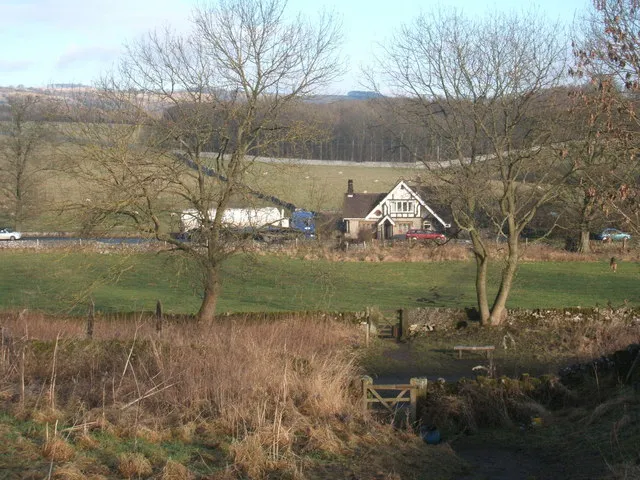
Checkout morning has a reputation problem. It is the bit of a cottage break when the romance packs itself away, the fridge gets emptied into a cool bag, and someone starts saying “right, what have we forgotten?” before the kettle has even boiled. The last two hours can easily become a blur of bin bags and charger cables. But they don’t have to. With a little planning the night before, departure day can include a short local walk — a lane, a village green, a riverside path — and feel less like a checkout and more like the final page of the week.
Start with the clock, not the map
Most cottage checkout times sit around 10am, sometimes 11am. Work backwards from the time you have actually been given, not the time you wish you had. If keys are due back at 10am, a 7.15am alarm is not unreasonable. Breakfast can be simple: toast, fruit, the last of the coffee. Packing the car properly by 8.45am leaves you a clear window for a 45-minute walk, with ten minutes spare for muddy boots and a final look round.
If checkout is 11am, you can be more generous, but don’t overdo it. A two-hour hike before a long drive is rarely the relaxing send-off it sounds like. The aim is a small, local loop that fits the gap — not a summit bid. Check the cottage’s departure instructions the night before, too. If the owner asks for beds to be stripped or bins to be taken out, do those jobs first rather than discovering them as you are trying to leave.
Pack the car the night before
This is the quiet secret of a slow departure. Load the non-essentials before dinner on your last evening: the main bags, the walking boots, the coats you won’t need overnight, the books that have migrated to the sofa. Keep a small morning box by the door with the things you actually need: keys, phone chargers, a flask, a spare pair of socks, a dog towel if you have brought one, and a bin bag for anything muddy.
If you are relying on a map, download the route onto your phone before you lose signal, or dig out the Ordnance Survey sheet. A short printed note with the footpath numbers and the name of the lane is often more useful than a screen at 9am. Leave a flask of hot tea or coffee ready to fill, and put a couple of biscuits in the glovebox. It sounds fussy. It isn’t. It is the difference between a calm last walk and a frantic rummage through the boot.
Choose a route that fits the gap
You are looking for three things: close, short, and easy to abandon. A village green loop of 20 to 30 minutes is perfect if you have slept late or the weather has turned. A lane-and-footpath circuit of 45 minutes gives you a proper bit of fresh air without leaving you watching the clock. A riverside or canal towpath walk can stretch to an hour if checkout is later, but only if the path is straightforward and you know where you are turning back.
Be honest about mud. In November, a footpath that looks charming on the map can be a slippery trench in reality. Stick to lanes, made-up paths, or the higher ground if the week has been wet. Check for stiles if either of you has a bad knee. And don’t choose a route that needs a car journey to reach it — the whole point is that the morning stays simple.
Keep the walk small and local
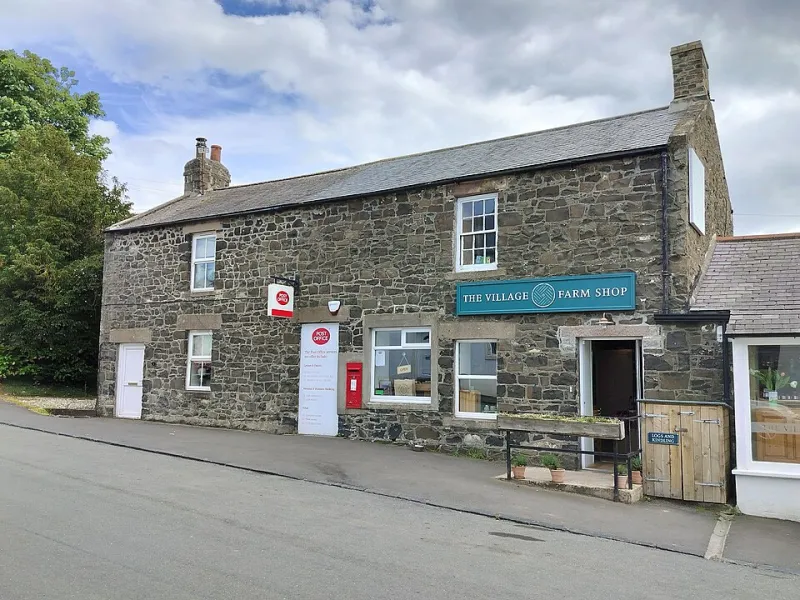
This is not the moment for one last big sightseeing push. It is the moment to notice where you have been. The postbox at the crossroads. The churchyard gate. The bench on the green with a plaque on it. The village shop opening its door at nine. If the shop is open, buy a paper or a sausage roll for the road. If it isn’t, walk on. The point is not to tick off a viewpoint. The point is to let the week settle.
For couples, this kind of walk works particularly well because it asks nothing of you. You don’t need to navigate a big day out or make conversation about anything more demanding than the state of the lane. Walk side by side. Leave the phones in your pockets. If you pass someone walking a dog, say good morning. That is the whole agenda.
Return, reset, hand back the keys
Aim to be back at the cottage with at least ten minutes to spare. Wipe your boots, put them in the boot bag, and do a final sweep of the rooms: chargers, toiletries, the book you were reading in bed, the phone cable behind the sofa. Follow the owner’s instructions on keys and bins. Leave the cottage as you found it — not because you are being watched, but because it is a nicer way to say thank you.
Then drive out slowly. If you can, avoid the motorway services for the first hour. Take the B-road for a few miles. Stop at a farm shop if you pass one. The week doesn’t have to end the moment the key goes back in the box. A slow departure gives it a softer landing.
Why the slow send-off works
A rushed checkout does something odd to a good week. It makes the last memory a stressful one: the car packed badly, the bins forgotten, the driver already tired before the first junction. A short walk doesn’t magically solve the drive home, but it does protect the feeling of the break. It gives the final hours a shape. You wake, you pack, you walk, you leave. The week gets an ending rather than a stop.
At S Simpson Cottages, we like the idea of leaving slowly. Not because checkout times don’t matter — they do — but because the last two hours are still part of the holiday. Use them for a lane, a green, a riverside path. Then put the key back, start the engine, and take the long way to the main road.