The Empty Itinerary: Why the Best Cottage Breaks Have Almost Nothing In Them
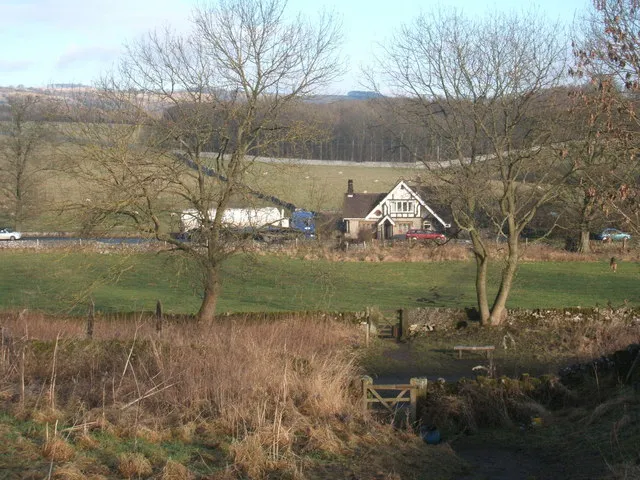
Photo: Peter Barr, CC BY-SA 2.0, via Wikimedia Commons
The spreadsheet problem
Open a guidebook for any of the classic rural counties and you'll find a top-ten list, a map of "must-sees" and an implied timetable. Add a national trust membership, a few saved posts and a well-meaning relative's recommendations, and a three-night cottage break starts to look like a logistics exercise.
I've done it. Arrived on a Friday evening with a printed schedule, driven forty minutes to a castle on Saturday morning, queued, eaten a sandwich in a car park, driven back, and gone home on Monday needing a day off to recover from the time off.
That is the thing nobody says out loud about rural escapes: the more you schedule, the less of the place you actually see.
Arrival day is not a day out
Here's a rule worth stealing. Nothing gets booked for the day you arrive. Not a table, not a timed ticket, not a guided tour.
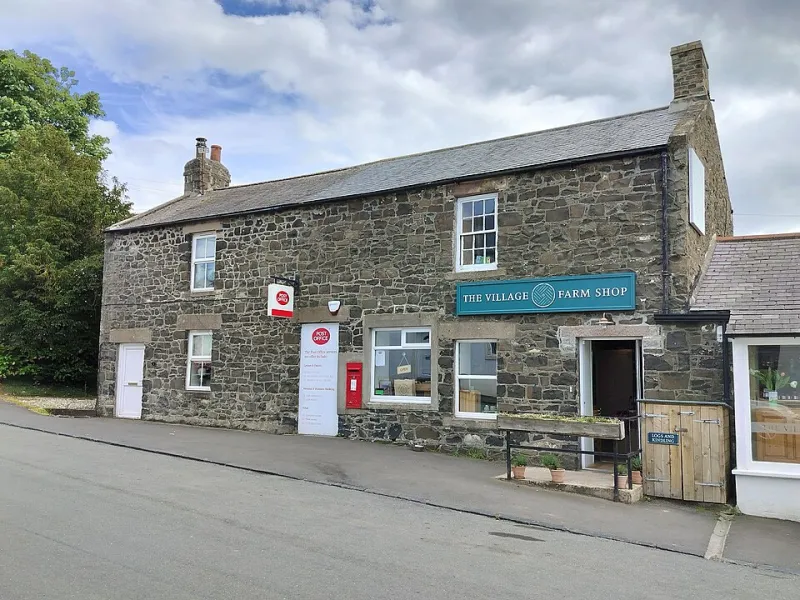
Unpack. Find the stopcock and the bin store. Work out how the heating behaves. Walk to the end of the lane and back, because that's usually where the view is. Find the village shop, buy milk and something for supper, and ask whoever's behind the counter where they'd eat on a Tuesday.
By half eight you'll know the shape of the place, the kettle will have been used twice, and the weekend will feel like it's yours rather than something you're working through. That single unstructured evening does more for a break than an entire day of attractions.
One anchor a day, and no more
An anchor is one thing that requires leaving the property and possibly booking something. One. A market town, a stretch of coast path, a house and garden, a steam railway, a proper walk with a pub at the halfway point.
Everything else — the second walk, the farm shop, the churchyard, the pint at four o'clock — is optional and unplanned. If it happens, lovely. If it doesn't, the day hasn't failed.
This isn't laziness dressed up as philosophy. It's arithmetic. A rural county is bigger than it looks on the map, single-track lanes take longer than you think, and the difference between a two-hour outing and a five-hour one is usually a forty-minute drive each way. One good thing, properly done, beats three things glimpsed through a windscreen.
The simple pleasures that never needed a ticket
A great deal of what people actually remember from a cottage break costs nothing and requires no planning at all.
The first cup of tea on a step in the cold. A heron on the river at seven in the morning. A village shop with a noticeboard and a slightly eccentric selection of biscuits. A lane with a hedge on either side and nobody on it. A log fire that takes three attempts to get going. A board game that ends in an argument nobody remembers by the morning.
None of that appears on a top-ten list, and all of it is the reason people book a cottage in the first place.
Let the children be bored
For families, the resistance usually comes from a fear that children need filling. They don't, not for a few days. Given a stream, a stick and a bit of unsupervised time, most children will construct an entire afternoon out of nothing.
One anchor daily is plenty. Do the big thing in the morning while everyone's fresh, come back for lunch, then let the afternoon be shapeless. Bring wellies, a football, a pack of cards and a couple of books, and accept that the highlight of the week might be the puddle at the bottom of the garden.
The fear of wasting the trip
There is a real anxiety underneath all this, and it deserves an honest answer: you've paid for the cottage, taken the leave, driven three hours. Isn't doing nothing a waste?
Only if the point of a break is to consume it. The trip you waste is the one where everyone is tired, snappish and quietly relieved to get home. Nobody has ever come back from a quiet few days in the Dales or the Suffolk lanes saying they wished they'd squeezed in one more car park.
You can also hedge. Build in one proper day out if it makes you feel better — a decent house, a long walk, a beach — and let the other days sprawl. The trick is not booking three.
A rhythm that works
Arrival evening: nothing at all. Day two: one anchor, plus a wander from the door. Day three: one anchor or, if the weather's kind, none. Departure morning: packing, coffee, and a slow drive home with a farm shop stop.
That's it. No alarm, no queue, no need to check opening times. If the plan requires a spreadsheet, the plan has already gone wrong.