The Four-Legged Guest: A Practical Guide to Rural Cottage Weeks With Your Dog
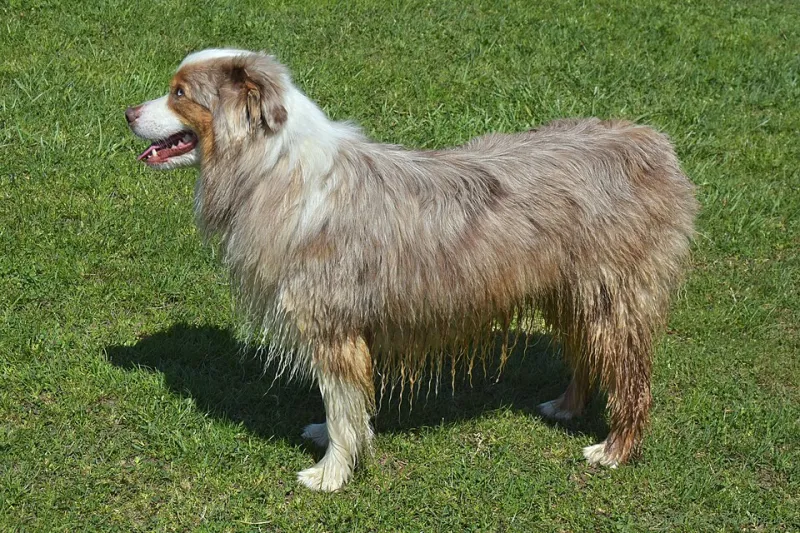
Photo: Joselodos, CC0, via Wikimedia Commons
Bringing the dog on a cottage week sounds simple: book a place that says pets welcome, pack the lead, go. In practice, it is a household operation. A rural cottage is not a kennel with a kettle, and a good week depends less on whether the listing permits dogs and more on how the humans plan around mud, sleep, meals and the occasional sheep. The aim is straightforward: everyone, dog included, comes home tired in the right way.
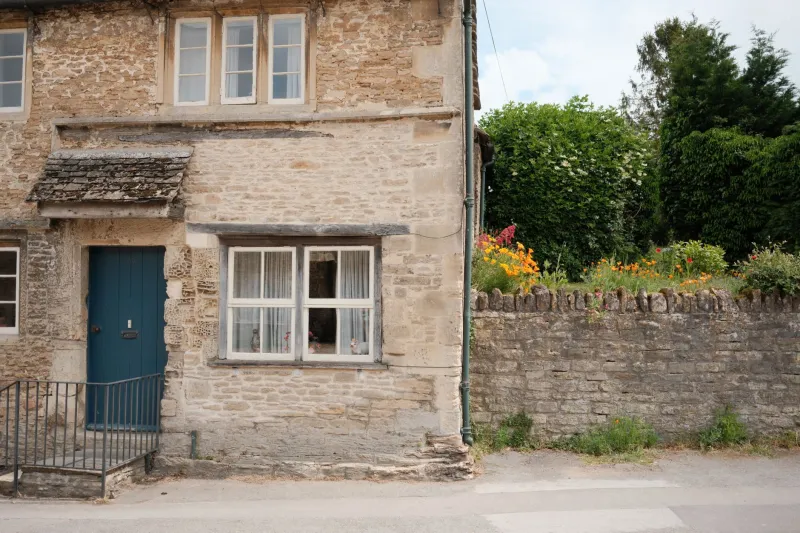
For couples, it might be one dog and a small car. For families, it is often a dog, two children, a grandparent and a boot full of wellies. Either way, an S Simpson Cottages break should feel like a quiet rural escape, not a logistics exercise. A little forethought gets you most of the way there.
Read the listing like a sceptic
Dog-friendly can mean almost anything. Sometimes it means a genuine setup: hard floors, an enclosed garden, a boot room, an outside tap and a sensible route to the nearest field. Sometimes it means the owner will tolerate a small dog if nobody mentions the sofa. Ask before you book.
Useful questions include: is the garden fully enclosed, and how high is the fence? Are there livestock in neighbouring fields? Are dogs allowed upstairs or on furniture? Is there a hose or outside tap? Where is the nearest vet, and what are the out-of-hours arrangements? If the listing says well-behaved dogs, ask what that means in practice. It is not rude to be specific. It is much ruder to arrive with a muddy spaniel and discover there is no way to clean paws before the carpet starts.
Also think about your own dog rather than the ideal dog. A nervous rescue may not enjoy a busy village pub. An adolescent Labrador may not respect a low garden wall. A dog that sleeps in a crate at home will probably want that crate on holiday too, even if the cottage looks lovely and open-plan.
The kit that earns its space
You do not need the whole pet shop. You do need a few things that make the week easier. Pack two towels, ideally one microfibre, plus an old bath mat for the floor by the door. Bring a spare lead, a long line for safe sniffing, poo bags, food in a sealable tub, bowls, any medication, a tick remover and the vet details. If your dog uses a crate, bring it. If your dog has a familiar blanket, bring that instead of three new toys.
Leave the squeaky toy that annoys everyone at home. Bring a brush and a lint roller. A small whisk broom is useful for mud and sand. A carrier bag for the wet towel is unglamorous but wise. Families with children should agree who is responsible for the dog at which point of the day. Otherwise the dog becomes nobody's job until it is standing by the door looking offended.
Mud is the main event
From October to March, assume mud. Even in summer, a UK field can turn after rain. Plan walks by surface rather than by ambitious distance. Village greens, forestry tracks, bridleways and quiet lanes are often easier than a steep coast path with stiles. Keep the lead handy near livestock. Sheep and cattle are not part of the day out. Close gates, follow signs and do not assume a field is empty because you cannot see anything at first glance.
At the cottage, create a mud route. Door to boot room or utility, towel, paws, then the rest of the house. If there is no utility, put a towel and a shallow tub by the entrance and accept that the first two feet inside are a sacrifice zone. Rinse paws before they dry. Check for ticks after long grass. In hot weather, carry water and avoid the middle of the day. In cold weather, dry the dog properly rather than letting it sit in a wet coat by the fire.
Where the dog sleeps
Decide this before arrival, not at 10pm on the first night. If the dog sleeps in a crate at home, keep the crate. If it sleeps on your bed, check the listing allows it. Couples may find that a dog on the bed turns a romantic cottage week into a starfish situation. Families may find that a dog in a child's room causes more excitement than sleep. A stair gate or closed kitchen door can be a useful compromise.
Keep the routine roughly the same. Same food, same bedtime, same toilet trips. A new place is stimulating enough without changing everything else. Some whining on the first night is normal. Resist the urge to give a guided tour of the entire cottage at 2am. A familiar blanket and a quiet corner usually do more good.
The pub test
Not every pub is a dog pub, even if it looks like one. Look for signs, ask before you walk in, and keep the lead short once you are inside. Bring a small mat if your dog is used to settling on one. Avoid the busiest Sunday lunch slot if your dog is nervous. Do not let it greet every diner, however friendly it is. Some people love dogs. Some are allergic, wary or simply eating.
Families should split the job. One adult settles the dog while the other orders. If the dog cannot relax, take turns or choose a picnic. A village green and a bag of chips can be a better dog-friendly lunch than a cramped dining room. That is not a failure. It is good manners.
Leave the cottage as found
Dog hair travels. So does mud, damp dog smell and the memory of the one chair the dog was not supposed to use. Vacuum if a vacuum is provided, use a lint roller on soft furnishings, wash bowls and bag up towels. Check the garden before you leave. Report any accidents honestly. Owners remember the guests who made an effort, and future dog-friendly listings depend on it.
On departure day, walk the dog before the car is packed. Towel off, settle it with water and a blanket, and keep the final hour calm. A quiet rural break should feel quiet for the humans too. The dog does not need a packed itinerary. It needs mud, sleep, food and the chance to be near you without taking over the cottage. Get those four right and the week works for everyone.