Small Circles, Warm Hands: A Low-Effort Winter Walking Routine for Cottage Days

There is a particular kind of winter optimism that gets everyone into boots: the idea that a proper walk must involve a summit, a packed lunch and a summit selfie. At S Simpson Cottages, we would like to make the case for the opposite. The best winter walk for many families and couples is small, circular and starts at the cottage door. It gets you outside before the light goes, warms you through, and leaves the rest of the day intact.
Why the short loop wins
Winter is not the season for ambitious mileage. Cold hands, muddy fields, low sun and children who suddenly remember they hate walking all argue for a shorter plan. A two-mile loop is long enough to feel like an outing and short enough to repeat tomorrow. It is also safer: less time on exposed ground, less chance of finishing in dusk, and far less need to negotiate a route while everyone is hungry.
The point is not to tick off a landmark. The point is to get a bit of air, see something other than the cottage ceiling, and come back with colour in your cheeks. A short walk is not a failure of ambition. In winter, it is the sensible unit of exercise.
Begin at the door, not the car
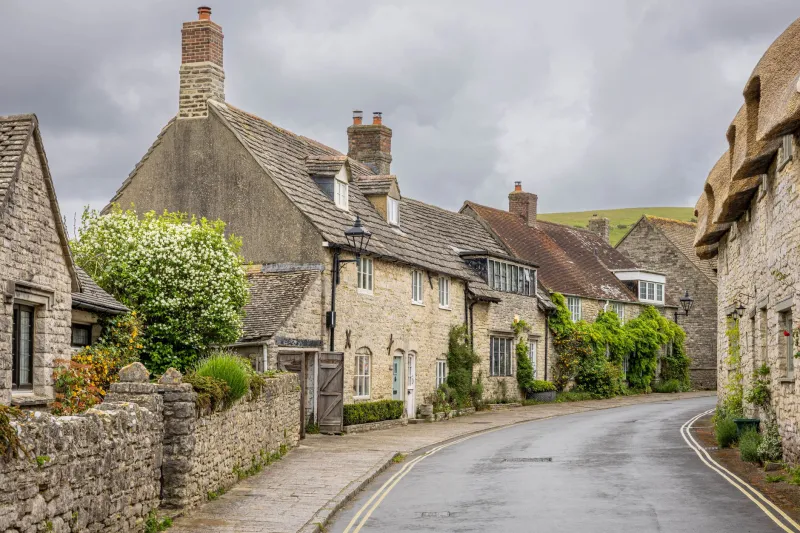
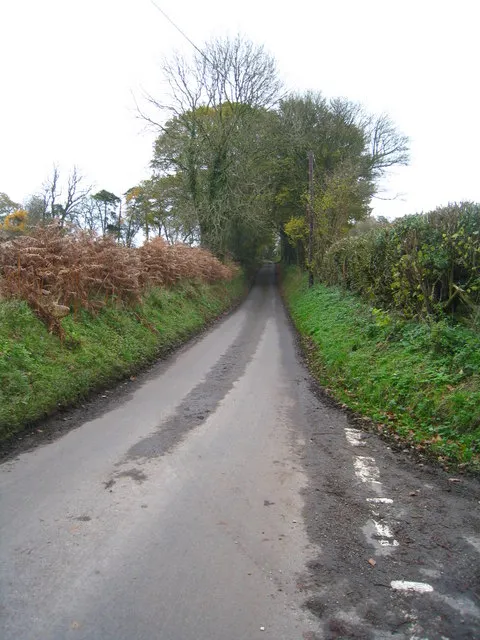
Before you unpack the car, look at the map. Most cottage owners keep a local footpath map, a folder of laminated routes or at least a well-thumbed OS sheet. Ask for a loop that starts within a few hundred yards of the door. The ideal winter route uses a quiet lane, a footpath across one or two fields and a stretch through the village. Avoid anything that depends on a busy road, a dangerous bend or a long walk back in the dark.
Check the practical details before you set off: stiles, gates, livestock, mud and whether the path is likely to be flooded. If you are walking with toddlers, a surfaced lane or a wide track may be more realistic than a stile-heavy field path. If grandparents are joining, look for benches and a route that can be shortened without stranding anyone. The best cottage-door walk has an escape hatch.
Time it with the light
In deep winter, sunset can arrive before 4pm across much of the UK. That changes the maths. Do not set out at 3pm thinking you will be quick. Aim to be back at the cottage at least 45 minutes before sunset, not at the furthest point of the loop. Use the Met Office forecast rather than just the temperature on your phone; cloud, wind and rain matter more than a single number.
For families, after breakfast is often the sweet spot. Everyone is dressed, the day still has shape, and you are back before the hungriest hour. For couples, a short loop before lunch works nicely: out into the cold, back for soup, then an afternoon of doing very little. If the weather turns, turn around. The route will still be there tomorrow.
Dress for the stop as well as the walk
Winter walking is mostly a layering problem. Start with a base layer, add a fleece or thin down layer, and finish with a waterproof shell. A huge coat can leave you sweaty on the uphill and cold on the stop. Hats and gloves matter more than people expect. Children should carry spare gloves, or have them stuffed into an adult rucksack. Waterproof boots or wellies are fine for a short field loop; icy lanes may call for something with more grip.
Take a small rucksack with a flask, a few snacks and a headtorch. The torch is not a sign that you expect disaster. It is a sensible precaution for a two-mile loop in a month when the light can go quickly. Cold hands are usually a glove problem, not a walking problem.
The route recipe: lane, field, village, home
A reliable winter loop looks something like this: ten minutes on a quiet lane, twenty minutes across two fields, ten minutes through the village, then ten minutes back to the cottage. That is roughly an hour at family pace, with time for a gate, a puddle and a discussion about whose turn it is to carry the flask.
Choose fields with short grass or hard paths rather than deep mud. If the ground is sodden, swap the field section for a lane loop done in the other direction. Circular routes are better than out-and-back walks because they give everyone a sense of progress, but a there-and-back lane walk is still a walk. Alternate the direction each day and you will notice different things: a hedge, a stream, a house with a smoking chimney, the pub cat.
Make the warm stop part of the plan
The finish matters. If the village pub is open, check its winter hours before you go and book if it is a Sunday. A bowl of soup or a hot chocolate can turn a short walk into the main event of the day. If the pub is shut, use the flask. Find a bench, a church porch or a gate with a view, and stand still for five minutes. Then go back to the cottage for toast, soup or whatever is in the cupboard.
The warm stop is not a reward for mileage. It is part of the walk. It gives children something to aim for and couples a reason to linger. It also means the walk ends with everyone warm rather than everyone arguing.
Repeat it, and let it become ordinary
The secret of a good winter walking habit is repetition. Do the same small loop three times in a week and it stops being an expedition. You notice the light changing, the stream rising, the same dog on the same lane. Children collect sticks and stones. Couples talk without a screen in front of them. Nobody has to drive anywhere, and nobody has to make a big decision.
A cottage break in winter does not need a heroic itinerary. It needs a pair of boots by the door, a route that fits before lunch, and a flask waiting on the kitchen counter. Small circles, warm hands, home before dark: that is a winter walk worth repeating.
A small checklist
- Choose a circular route of under two miles, starting at the cottage door.
- Ask the owner about stiles, livestock, mud and pub opening hours.
- Aim to be back 45 minutes before sunset.
- Wear layers, not one giant coat; take spare gloves for children.
- Carry a flask, snacks and a headtorch.
- Have a warm stop planned, whether that is a pub, a bench or the cottage sofa.
- If the weather turns, turn around. Short is the point.