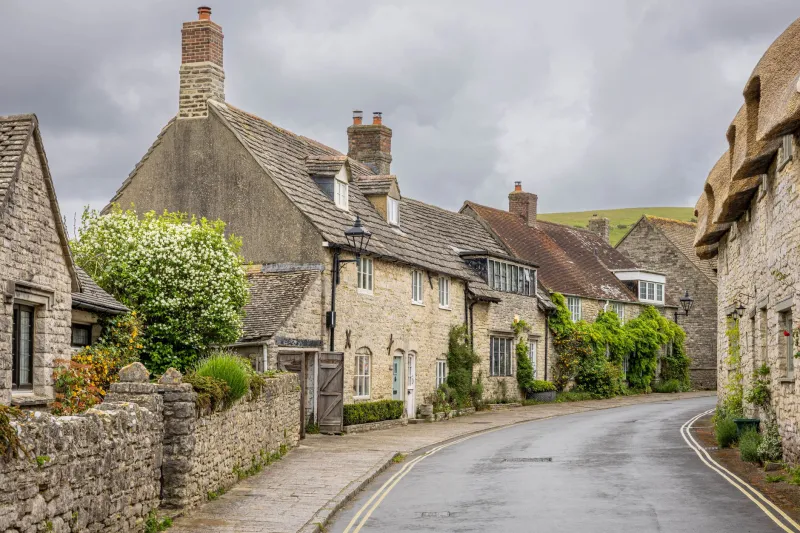
More Borrowed Home Than Hotel: Settling Into Your First Cottage Week
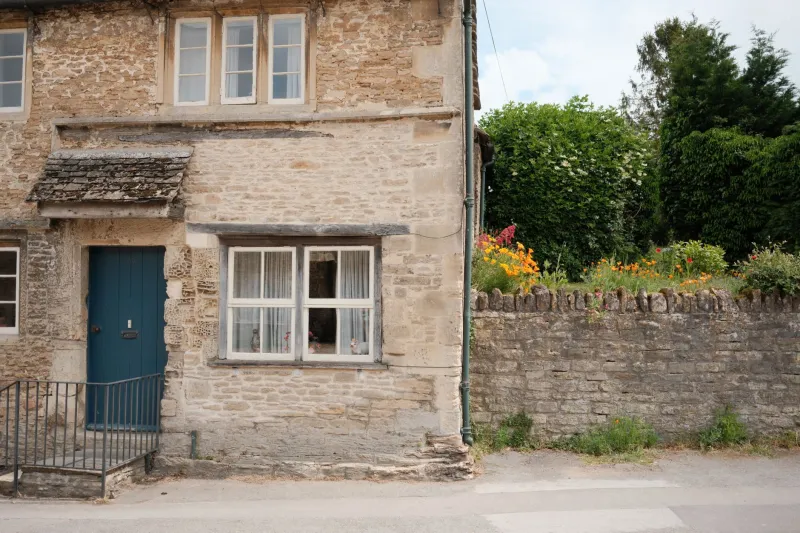
The first time you unlock a holiday cottage door, there is often a small pause. The place smells of polish, old wood, maybe last night's fire. There is no reception desk, no lift, no breakfast menu propped against the salt cellar. It is somebody's house, lent to you for a week. That is the whole appeal — and it is also why self-catering works a little differently from a hotel stay.
None of this is complicated. It is mostly common sense with a bit of local knowledge thrown in. But if it is your first cottage break, a few small expectations can make the difference between spending the week hunting for the right bin and actually settling into the quiet you came for.
It Starts Before You Pack
A good cottage kitchen is usually stocked with the things that make a first night easy: tea, coffee, maybe a pint of milk, salt, pepper, foil, a decent knife. What it will not have is your particular brand of coffee, the cereal your youngest will actually eat, or enough dishwasher tablets for a week of roast dinners.
Check the listing before you leave. Some cottages provide towels, some ask you to bring them. Some leave a starter pack of logs, some expect you to buy a bag from the village shop. None of this is a trick; it is just the difference between a house and a hotel. A quick read of the arrival notes saves a lot of standing in the kitchen wondering whether the tea bags are complimentary or part of a carefully counted inventory.
Bring less than you think. Wellies, waterproofs, a torch, a favourite mug if you are particular, and a bag for muddy boots. The rest is usually there.
The Arrival Hour Is Not a Check-In
Cottage arrival times exist for a reason. The cleaner is often still finishing, the owner may be stacking logs or checking the boiler, and the last guests may have only just pulled out of the lane. Arriving early and hovering by the gate does not make the cottage ready any faster.
If you are ahead of schedule, find a village green, a tea room or a lay-by with a view and let the day slow down. If you are running late, send a quick message rather than letting the owner wonder. Key safes and lock boxes are common in rural places, and the code will be in your arrival details. Use it, then scramble the numbers.
Do not ring the owner repeatedly because the cottage feels cold on a November afternoon. Old stone walls take their time. Turn the heating on as instructed, light the fire if you have been shown how, and give the place an hour to catch up with you.
Bins, Boots and the Borrowed Kitchen
Bins are the great rural quiz. Every council seems to have its own system, collection day rarely falls conveniently in the middle of your week, and the recycling rules can read like a cryptic crossword. The cottage folder will usually explain it. If it does not, ask.
What you should not do is leave black bags outside the back door because you are not sure which bin they belong in. Foxes, gulls and the weather will make short work of them. Sort what you can, keep food waste contained, and follow the owner's instructions rather than guessing.
Boots are the other small ritual. Muddy walks are the point of a rural break, but the mud itself belongs by the door. Use the boot tray, the outside tap, the stack of old newspaper. A borrowed kitchen also works best when you wash up as you go. You do not need to scrub the place from top to bottom, but leaving a pile of pans from last night's curry for the cleaner is not quite the spirit of the thing.
The Log Burner Is a Small Relationship
A wood burner is one of the great pleasures of a cottage break, and one of the easiest things to get wrong. Use dry logs, not damp ones from the bottom of the pile. Do not cram it so full that the glass turns black. Learn where the air vents are, and use them.
Do not put rubbish in the stove. Do not leave it roaring unattended, especially with children in the room. If a fire guard is provided, use it. And if the owner has left a basket of logs for your first night, that is a welcome, not an invitation to empty the entire wood store. Buy a bag from the village shop if you need more, or ask where to get one.
Quiet Is a Shared Amenity
Villages are not theme parks. People live there, often close to the cottage wall, and sound carries in a way it does not in a city. Keep music indoors, keep hot-tub voices down after ten, and remember that a lane is also somebody's route to work at seven in the morning.
Dogs should be on leads around livestock, and children should be able to run free without ending up in a neighbour's garden. Park where you are asked to park, not where the car happens to fit. The quiet is the product you have booked. Looking after it is part of the stay.
Leaving Is Part of the Stay
Departure morning is not a hotel checkout. You do not need to strip beds unless you have been asked to, and you certainly do not need to hoover the place from corner to corner. But a few minutes of tidying go a long way: wash the dishes, empty the bins, put the furniture back where you found it, and leave the towels in the bathroom rather than on the lawn.
Report breakages rather than hiding them. Leave a note if you have used the last of the coffee or the loo roll. Turn the heating down, lock the windows, and put the key back where it came from. It is not about passing an inspection. It is about leaving the cottage ready for the next family who will walk in, sniff the polish and feel that same small pause.
What You Are Really Paying For
A hotel gives you service. A cottage gives you a home for a few days — a kitchen that is yours, a fire to light, a garden to sit in, and no one asking whether you want your room cleaned. The small jobs are the trade. They are not a test, and they are not the point either. They are just what makes the quiet possible.
At S Simpson Cottages, we think of it as being a good temporary neighbour. Arrive softly, live well, leave things as you found them. The rest of the week takes care of itself.