Let the Weekend Go Home Without You: The Quiet Case for a Sunday-to-Thursday Cottage Week
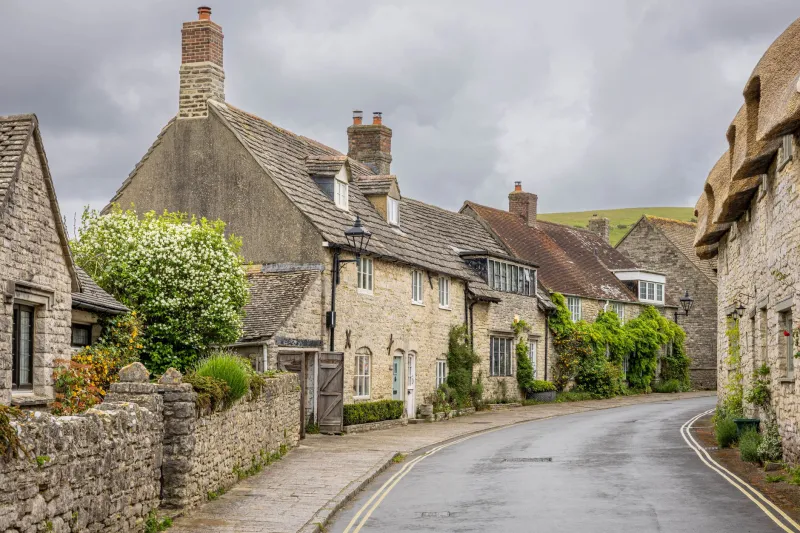
There's a particular sound a village makes on a Sunday afternoon in late autumn. Not silence exactly — more a settling. The last of the weekend cars crunch off down the lane, the pub stops stacking glasses quite so frantically, and whoever is left standing in the shop queue is buying milk rather than a picnic. If you're the one arriving at that moment, keys in hand, you've stumbled onto the best-kept scheduling secret in self-catering: the cottage break that starts when everyone else's ends.
We're not against the Friday-to-Sunday trip. It's the classic for a reason. But after enough changeover days, we've come round to the view that most people booking a rural break are quietly buying the wrong three days of the week.
The arrival is a different experience entirely
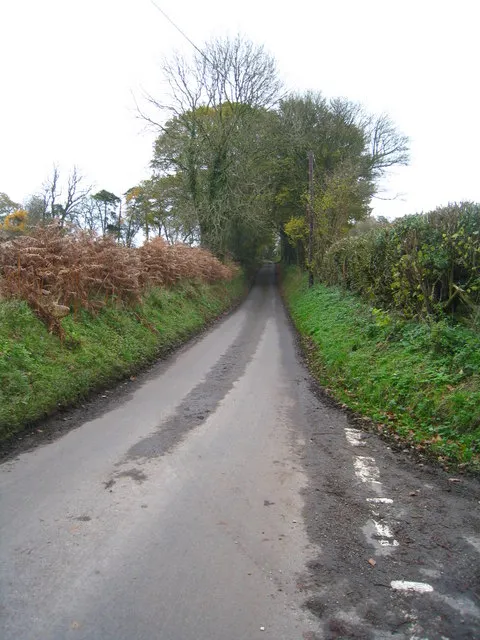
Friday afternoon on a rural B-road is a specific kind of purgatory: caravans, delivery vans, someone reversing a trailer into a gateway while a queue forms behind them. Sunday lunchtime onwards, the traffic runs the other way. You drive against the flow rather than inside it, and the last ten miles — usually the narrowest, twistiest, most scenic ones — are yours.
Changeover logistics quietly improve too. Saturday is the busiest turnaround day in the industry; cleaners are on a hard deadline, and a 4pm check-in can slip to 5pm when the previous guests leave late. Midweek changeovers, whether Sunday or Monday, tend to run with more slack. Ask any cottage owner and they'll tell you the same thing: the Sunday clean is a calmer clean.
Same cottage, same view, different price
Here's the part that surprises people. A four-night Sunday-to-Thursday stay in a three-bedroom cottage frequently costs less than a three-night Friday-to-Sunday — sometimes meaningfully less, especially in spring and autumn.
Why? Because weekend demand is inelastic. People have two days off and they want them on a Friday and Saturday. Midweek sits half-empty for much of the year, so owners price it accordingly. In practice that means you can trade up: the cottage with the log burner and the proper garden, rather than the one that fits the weekend budget.
Don't assume you'll find it by filtering for a weekend and hoping. Search midweek directly, and if you're booking through an owner or a small agency, ask what a Sunday arrival does to the price. Quite often it does quite a lot.
Booking windows: 2026 into 2027
Remote-working habits have changed the shape of the midweek market. Plenty of cottages that were strictly Friday-to-Friday five years ago now run flexible changeover days outside peak season, precisely because guests asked.
For the remainder of 2026 and into 2027, the practical advice is straightforward. Book school holidays early, as ever — those weeks fill regardless of which day you start. But for the shoulder weeks, the midweek slots often stay open months longer than the weekends do. If you're eyeing half-term, Easter or a summer week, don't wait; if you're eyeing a random Tuesday in March, you have room to dither.
And if a listing still insists on a fixed changeover day, ring or email. Owners are more flexible than the booking calendar suggests, particularly for a four-night stay in a quiet month.
Making it work around jobs and school
This is where the shift lives or dies, so let's be honest about it.
For remote-working adults, the Sunday-to-Thursday pattern is almost embarrassingly easy. You drive down Sunday, unpack, cook something slow, and spend the evening on the sofa. Monday and Tuesday you work from the kitchen table with a view of a hedge instead of a car park, taking calls on reliable-enough broadband. Wednesday and Thursday are yours. Two days of annual leave buys you four nights away — a ratio the Friday-to-Sunday trip can't touch.
For school-age children it's messier but not impossible. Term-time absence rules being what they are, the realistic option is to build the break around INSET days, the start or end of a holiday, or a long weekend stretched by one authorised day. Grandparents are the other lever: a Sunday-to-Thursday pattern suits a multi-generational trip beautifully, because nobody is fighting weekend traffic and the slower members of the party aren't rushed through a two-night sprint.
The trick is to treat Monday and Tuesday as ordinary days rather than holiday days. Same bedtime, same homework, same porridge. The holiday is the setting, not the schedule.
Villages keep different hours midweek
One warning worth having. Rural life has its own rhythm, and it is not designed around your itinerary.
A good number of village pubs close on Monday or Tuesday. Farm shops may shut Mondays and take deliveries on Wednesdays. The bakery that opens at seven on a Saturday might not open at all until nine on a Tuesday, or might not open at all. Market day is often a weekday — which is a gift, not a problem, if you plan around it.
So check opening hours before you build your week. Ring the pub rather than trusting a listing. Ask the owner which day the farm shop delivery lands, and time your arrival so you're not scrambling for dinner at 8pm in a village where the only shop shut at five.
Get that right and midweek rural Britain is genuinely lovely — the lanes empty, the pub with three tables taken instead of twelve, the sort of place where the landlord remembers your name by Wednesday.
The one situation where the weekend still wins
We'd be overselling it if we claimed Sunday-to-Thursday suits everyone.
If your trip is genuinely two nights — a birthday, a wedding, a flying visit to see family — the weekend is the correct answer. So it is if your group includes people with Saturday jobs, Saturday football or Saturday commitments they can't move. And if you're travelling a long way for a short break, two working days at the front can eat the whole thing.
There's also a social point. Some people want the village at its busiest, with the Saturday market in full swing and every table in the pub spoken for. That's a real pleasure, and a midweek break doesn't offer it.
Try it once, off-season
Our suggestion isn't a conversion, it's a test. Pick one shoulder-season week — late February, say, or early November, when the fires are lit and the rates are kind — and book Sunday to Thursday instead. Note what the drive was like. Note what you paid. Note whether you actually missed the weekend.
Then, next time you're browsing cottages at eleven at night with a cup of tea, you'll have your own answer rather than the calendar's.