Park Straight, Wave Back: The Quiet Rules of a Rural Cottage Stay
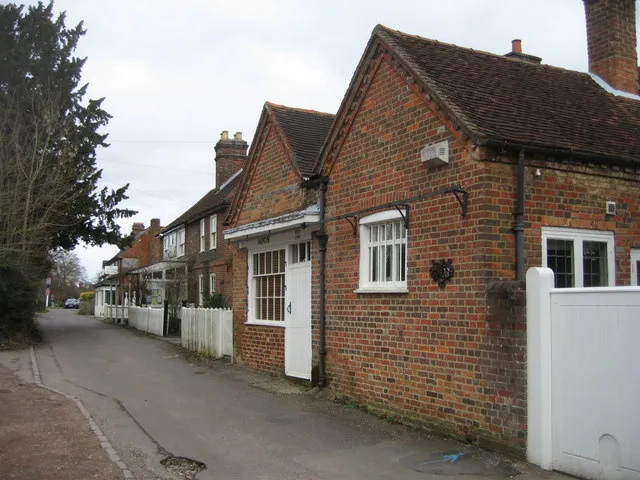
Photo: Sebastian Ballard, CC BY-SA 2.0, via Wikimedia Commons
There is a particular kind of quiet you only notice after a few hours in a rural cottage. No traffic hum, no neighbours’ telly through the wall, just the fridge clicking and a pigeon doing its best to sound important. It is lovely. It is also fragile. Quiet places stay quiet because the people who live there have spent years agreeing, mostly without saying so, on how to share them. When you rent a cottage for a week, you are briefly part of that agreement. Not a paying guest passing through, but a temporary villager. And temporary villagers have a few small jobs.
Arrive like you live there (but quietly)
The first ten minutes set the tone. You pull up, you unload the car, and you are already making an impression — even if the only witness is a curtain twitching across the lane. That is not nosiness. In a small village, a strange car reversing over a verge is genuine news.
So arrive with the welcome book to hand, not buried under three bags of shopping. Find the allocated parking spot. If the instructions say “the gravel area to the left of the gate”, do not decide the grass looks firmer. It will not be firmer. It will be a bog by Thursday, and someone will have to look at your tyre tracks for the rest of the season.
The parking pact
Rural parking is a team sport played by people who never agreed to be on the same team. The rules are simple enough once you spot them. Do not block field gates, even for “just a minute”. Do not park on grass verges, passing places or the bit of lane that looks wide because a tractor once pulled in there in 1987. Do not assume a space outside a cottage is yours because it is empty. And if you are lucky enough to have a driveway, use it properly — nose in, wheels straight, no dangling boot over the pavement.
If you are in a village with narrow streets, walk the last bit. It is usually less than two minutes and it saves everyone the pantomime of a three-point turn involving a hedge, a wheelie bin and a delivery van.
Bins, gates and the small print of the welcome book
The welcome book is not bureaucracy. It is the owner’s attempt to stop twelve separate small disasters happening in one week. Read the bin section properly. In the countryside, bin day is not a vague suggestion. It is a choreography of different coloured boxes, collection times and a council lorry that will not come back for a rogue bag of recycling.
Put the bins out when you are told to, not when you remember. Bring them in again. If a gate was closed when you found it, close it behind you. If a sign says no public access, believe it. These are not restrictions on your holiday; they are the terms on which the holiday exists.
Narrow lanes are a conversation, not a race
A single-track lane with high hedges is not a road in the usual sense. It is a rolling negotiation. You will meet a tractor, a post van, a dog walker and someone in a hatchback who knows the lane far better than you do. The etiquette is not complicated: go slowly, use passing places, and do not wave someone into a ditch because you are being polite in a hurry.
If you are unsure, stop. A clear hand signal and a bit of patience go further than confidence. And when someone reverses fifty yards to let you through, give them the wave. The full wave. Not a tiny finger lift from the steering wheel. This is a rural transaction, and the wave is the receipt.
Shared paths, dog leads and the two-second hello
Footpaths around cottages are often shared with people who walk them every day, and with livestock who have no concept of right of way. Keep dogs on leads around sheep and cattle, even if your dog is “fine with animals”. Step to one side on a narrow path when you can. Say hello. It costs nothing and it marks you out as someone who understands the place is not a theme park.
You do not need to become best friends with the village. A nod, a good morning and an absence of loud Bluetooth speakers is plenty. If you are staying in a terrace or a row of cottages, keep late-night voices low outside. Sound travels strangely in valleys and courtyards. The people who live there will hear your hot-tub chat, and they will not be joining in.
Spend where it counts
Buying something local matters more than buying something branded. A fridge magnet is fine, but a pint from the village pub, a loaf from the shop, a bag of apples from the honesty box — that is the stuff that keeps a rural place ticking over. It also gives you a reason to talk to people, which is how you find the good walk, the quiet beach and the pub that does proper chips.
At S Simpson Cottages, we like to think the best stays are the ones where guests leave a place feeling a little more connected than when they arrived. That does not require a grand gesture. It requires parking straight, waving back and putting the right bin out on the right morning.
Leave the quiet behind you
On your last morning, strip the beds if asked, stack the dishes, and do a slow lap of the garden for anything left outside. Then close the gate, check the lane, and pull away gently. The village will carry on with its quiet routine. If you have done it right, nobody will have much to say about you at all — except perhaps that you were a rather good temporary villager.