Read the Wall, Not the Algorithm: A Cottage Guest's Guide to Village Noticeboards
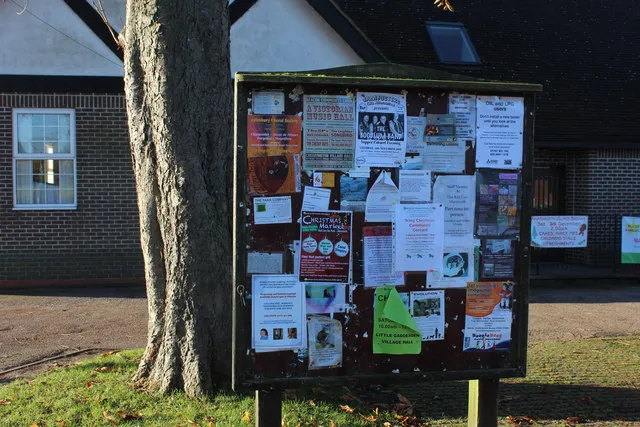
Photo: Robert Eva , CC BY-SA 2.0, via Wikimedia Commons
The first thing I do on a cottage break is not unpack. I walk to the village hall and read the wall. It is not a sentimental ritual. It is the most reliable local information source I have found — better than any app, any top-ten list and any algorithm that wants to send me to the same honey-coloured village everyone else is visiting.
In 2026, your phone will happily tell you the opening hours of a pub that changed hands last spring. The noticeboard will tell you that the kitchen is closed on Mondays, that the quiz is on the first Wednesday and that the church is running a coffee morning on Thursday with a bring-and-buy stall. One is a guess. The other is a timetable.
The board is a timetable, not a brochure
Village noticeboards are not designed to sell you anything. That is their charm and their usefulness. They are a scruffy collage of recurring events, one-off notices and mild warnings about parking. Read them carefully and you start to understand the rhythm of the place.
Look for the difference between 'every second Thursday' and 'Thursday 12th'. Check whether the pub's poster says food is served Thursday to Sunday, or just that it is 'open all day'. Look at the parish council notice for footpath closures, roadworks and the dates of the mobile library. A photograph of the board on your phone is worth more than a folder of saved screenshots.
What to look for
The village hall is the mother ship. Its board will often tell you about toddler groups, yoga, film nights, repair cafes, coffee mornings and the annual fete. The church newsletter, usually in a plastic wallet or on a table by the porch, will list services, harvest suppers, bell-ringing practice and the occasional warm space for winter afternoons.
The shop window is the informal board. Cards for dog walkers, eggs for sale, a missing cat, a note about the post office hours, a flyer for a local choir. The pub noticeboard is the social one: quiz nights, darts, live music, and a warning that the garden closes at dusk. Read all of them, but do not treat them as a menu of attractions. They are a map of other people's lives, and you are a guest.
The wrong pub, wrong night problem
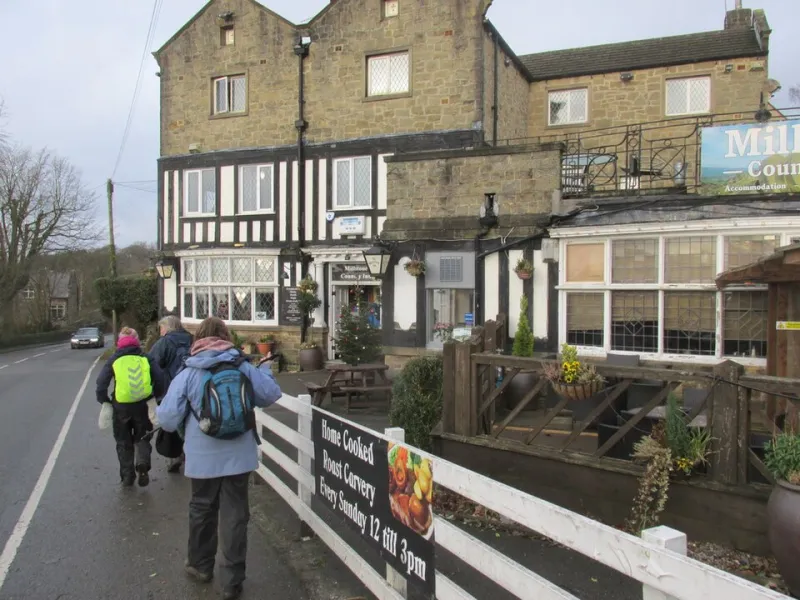
Most rural pub disappointments come from a mismatch between expectation and opening hours. The internet says the pub is open. The pub is open. The kitchen, however, is not. The noticeboard tells you this before you pile three generations into the car and drive twenty minutes for a Sunday roast that stopped being served in October.
It also tells you which nights are busy with locals and which are quieter. A quiz night can be a brilliant welcome if it says 'all welcome'. A darts match in a small front bar may be less ideal for a family with a tired four-year-old. Neither is wrong; they are just different. The board gives you the chance to choose.
How to be a curious, respectful guest
A noticeboard is public, but the community around it is not a theme park. A few small habits go a long way.
- Do not rearrange the flyers or take the last copy of the newsletter if you only want a souvenir.
- Ask before photographing people, even at a public event. The board itself is fine; faces are different.
- If you attend a coffee morning, buy something, put money in the donation tin and chat. Do not treat it as an anthropological exhibit.
- Respect the signs about dogs on leads, honesty boxes and footpath diversions. They are not suggestions.
- If an event says 'residents and friends', do not assume it means 'anyone with a cottage booking'.
- Ask at the shop or cafe: 'Is there anything on this week that visitors are welcome at?' That one question is worth ten internet searches.
Ten minutes, three questions
The noticeboard test is simple. When you arrive, walk to the hall, photograph the board and read the shop window. Then ask three questions at the counter: What is on this week that is open to visitors? Which night is quietest at the pub? Are any footpaths closed nearby?
You will get local answers, not aggregated ones. You may be told about a church coffee morning, a village film night or a second-hand book sale in the hall. You may also be told that the pub is shut on Tuesdays and the nearest shop closes at five. Both are useful. Both save time, fuel and mild family arguments.
When the board says nothing
Some villages have a sparse noticeboard. That is not a failure. It may simply mean the village is very small, the hall is between committees or the news travels by word of mouth. Check the shop window, the church porch and the pub. If there is still nothing, plan your supplies and enjoy the quiet. A blank wall is also information: it tells you not to expect a festival, a farmers' market and a live band within walking distance.
At S Simpson Cottages, we can point you towards the nearest village hall, shop and pub before you arrive. But we would not want to spoil the pleasure of the wall itself. Read it slowly. Take a photograph. Ask a polite question. Then go and have the kind of afternoon that no algorithm could have planned for you.