The Gate You Close Behind You: A Footpath Primer for the First Morning of a Cottage Break
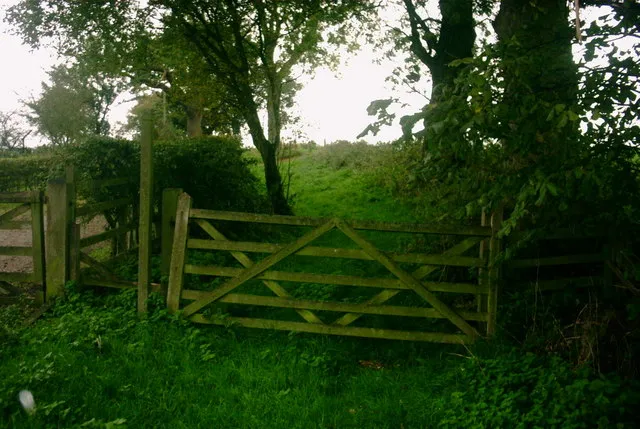
Photo: Stephen Pearce, CC BY-SA 2.0, via Wikimedia Commons
There's a moment on the first morning of a cottage stay when the kettle's on and somebody is standing at the window with a mug in one hand and a printed map in the other, trying to work out whether the dotted green line leaving the lane is really a path or just a hopeful squiggle someone drew in the office. It's the same three questions every time, in every cottage we've ever looked after: is this the right way, can I actually get through that gate, and is anyone going to mind that I'm here?
The short answers are yes, probably, and no — provided you follow a handful of quiet conventions that nobody ever writes down. Consider this the friendly footnote.
Waymark Before Map
Most people do this backwards. They squint at an Ordnance Survey sheet, decide the route goes left at the third hedge, then look up to find there's no gate where the map says there should be. It's much easier the other way round.
A public footpath in England and Wales is marked with a waymark — usually a small disc or arrow on a post, gate or stile. Yellow means footpath, so on foot only. Orange means bridleway, which brings horses and cyclists into play. Blue is a byway, rarer and usually a rough track. If you see an acorn symbol, you're on a National Trail and the signage will be much more generous than the rest of the network, which may be an arrow on a post that hasn't been repainted since the 1990s.
The rule of thumb: walk to the waymark, look ahead for the next one, and only then consult the map. If you've gone more than a couple of hundred metres without a sign, a clear mown strip or a visible gate, stop and check rather than pressing on — path lines follow hedges and field edges, not the line of least resistance. And if you're relying on a phone, download the map before you go. Rural signal has a habit of vanishing exactly when you need it.
Five Barriers and How to Pass Them
The traditional stile — a ladder over a wall — is mostly on its way out, replaced by kissing gates which are easier for everyone except people with very large rucksacks. What they all have in common is that they exist to let a path cross a boundary without letting stock through.
- Kissing gates: push, walk through, let it swing back. Don't prop it open.
- Ladder stiles: usually a step and a squeeze, sometimes with a dog gap at the bottom. Leg over the top, not through the gap.
- Footbridges with hand gates: same principle, close behind you.
- Field gates by a cattle grid: if it was closed, close it. If it was tied with string, tie it back the same way. This genuinely matters.
- No visible way through: walk the hedge line a short distance both ways. The gap is usually there, just overgrown or half hidden by a tree.
The one thing worth saying plainly: close every gate behind you unless it's obviously meant to be open, and never leave one swinging in a wind that's about to take it off its hinges.
Fields That Come With Residents
Livestock are the part of the walk that makes people nervous, so here's the calm version. If there's a bull in a field crossed by a public path, it's lawful — but only if it's under ten months old, or accompanied by cows or heifers and the field is clearly signed. You are within your rights to take a different route around the edge of the field, and nobody sensible will think less of you.
With cattle generally: keep well away from calves, don't walk between a cow and her calf, don't run, and don't let a dog off the lead. Walk steadily along the field edge towards the exit. Nine times out of ten they'll simply watch you go past with mild disappointment.
Crops deserve a mention too. Where a path crosses a growing field, stick to the marked line — there's usually a mown or trodden strip — and where the line hugs a hedge, walking on the field margin is normal and accepted. What nobody wants is a diagonal shortcut through a barley crop in June, however much quicker it looks.
The Dog Paragraph
Dogs are welcome on nearly all public footpaths, but the countryside has its own etiquette. Short leads around livestock and near lambing or calving, always. Close control where there are ground-nesting birds, which is most of spring. Bag it and take it home — even the remote bins are often emptied by someone who'd rather not. And if another walker is coming towards you with a nervous dog, putting yours on a lead for ten seconds is a small kindness that costs nothing.
Small Legs and Short Attention Spans
Children are brilliant on footpaths and terrible at estimating distance. A walk that reads as forty minutes to an adult feels like a fortnight to a seven-year-old. Plan short, aim for a destination — a bench, a pond, a bridge, a village shop that sells ice lollies — and turn back early rather than on a promise of 'just a bit further'. Stiles are excellent climbing frames and terrible places to lose your footing, so help the small ones over and give way to anyone coming the other way.
If Something Doesn't Add Up
Paths do get blocked. A fallen tree, an overgrown stile, a field of something tall, a sign lost to weather. Temporary closures are a real thing and usually notice-boarded at the start of the route; if you're halfway along and it's impassable, turn back and try a different loop rather than climbing something you shouldn't. If a gate is genuinely padlocked with no sign and no easy alternative, note the location and tell the local authority's footpath officer — or mention it to us and we'll pass it on. Footpaths survive on people caring about them quietly.
The Unwritten Bits
Here's the real secret: the reason these paths stay open, tidy and welcoming is that walkers behave like neighbours rather than visitors. Don't park in a farm gateway. Don't cross a garden gate that clearly isn't on the path, even if it saves a detour. Keep voices at conversation level through a farmyard. Say good morning — to the farmer, the dog walker, the person wrestling a pushchair through a kissing gate. Wave back at whoever waves first.
And then walk home. Back up the lane, boots off at the door, kettle on again, map folded away. The path was there long before you arrived and will be there next time you come, which is rather the point of closing the gate behind you.